Flat and Low-Slope Systems Built for Cold Climates
EPDM Roofing in Washburn for Commercial Buildings, Garages, Additions, and Low-Slope Structures
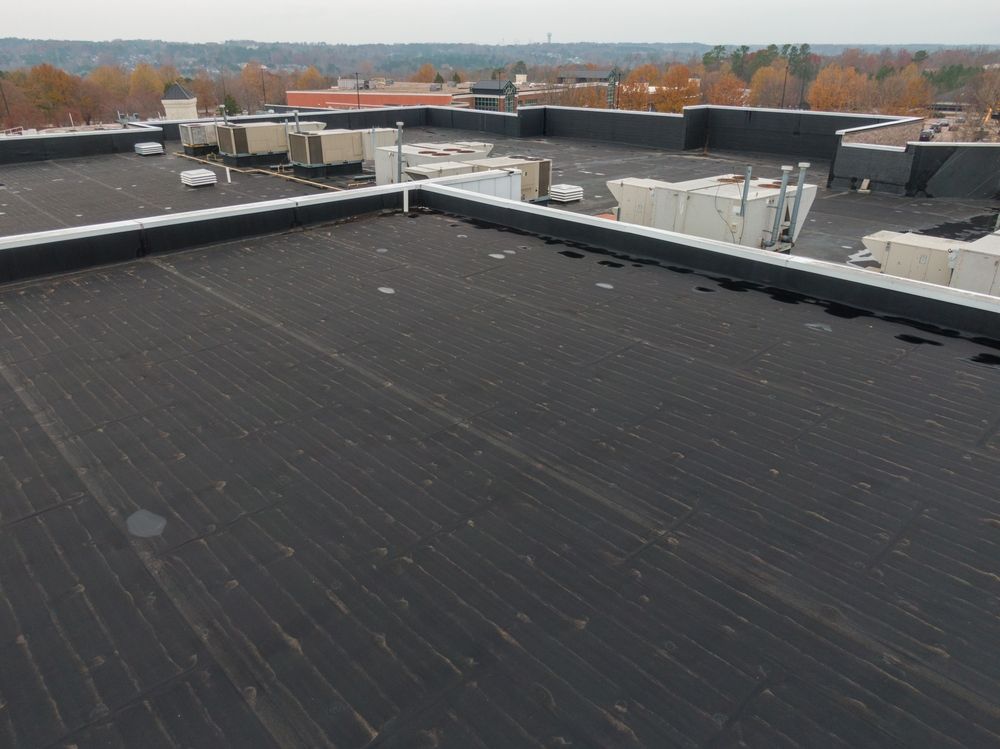
EPDM roofing is a synthetic rubber membrane commonly used on flat and low-slope commercial roofs where traditional shingles or metal panels are impractical due to insufficient pitch for water drainage. In northern climates, EPDM performs well because it remains flexible during temperature extremes, resists cracking from freeze-thaw cycles, and provides durable coverage for decades when properly installed. Advanced Construction and Roofing installs EPDM systems in Washburn for commercial buildings, garages, home additions, and agricultural structures where low-slope or flat roof design requires a membrane system capable of handling ponding water and ice formation.
Installation involves preparing the roof surface to ensure it is clean, dry, and free of debris that could puncture the membrane, then rolling out EPDM sheets and sealing seams with adhesive or tape systems designed for long-term weather exposure. Proper drainage is critical because flat roofs do not shed water naturally, requiring tapered insulation or strategically placed drains to prevent pooling that accelerates membrane degradation. Flashing details at walls, parapets, and penetrations must be sealed carefully to prevent water intrusion at transitions where the membrane terminates or changes direction.
Request an EPDM roofing consultation to assess your building's drainage conditions and discuss membrane options suited to your property type.
Why EPDM Works for Low-Slope Applications
EPDM membranes are manufactured in large sheets that reduce the number of seams requiring field sealing, which minimizes potential leak points compared to smaller panel systems. The material is installed either fully adhered to the roof deck, mechanically fastened with plates and screws, or ballasted with stone to hold it in place. Fully adhered systems provide the best wind resistance and eliminate the risk of membrane billowing during storms, while ballasted systems offer easier future removal but require adequate structural support for the added weight of stone.
Once installation completes, your building remains dry during spring snowmelt and heavy rain events, with water draining predictably to scuppers or interior drains without pooling on the roof surface. EPDM resists UV degradation, ozone exposure, and temperature cycling that cause other materials to crack or lose flexibility. The membrane surface can be walked on for equipment maintenance or HVAC servicing without sustaining damage, making it practical for commercial buildings with rooftop units requiring regular access.
Advanced Construction and Roofing installs EPDM systems with attention to proper sealing, drainage planning, and edge detailing that prevents wind uplift and water intrusion. Projects are managed with clear communication about access needs, material delivery, and expected completion timing to minimize disruption to business operations. Each installation includes quality workmanship backed by responsive customer service and warranty protection covering labor and installation defects.
What Property Owners Usually Ask
Commercial property owners and homeowners with flat roof structures often have similar concerns when evaluating EPDM roofing systems.
How long does EPDM roofing last in northern Maine climates?
Properly installed EPDM membranes typically last twenty-five to thirty years, with some systems exceeding forty years when maintained and protected from physical damage. Lifespan depends on installation quality, drainage effectiveness, and prevention of punctures from foot traffic or falling debris.
What causes EPDM roofs to leak?
Most leaks occur at seams that were improperly sealed during installation, flashings that were not detailed correctly at penetrations or edges, or physical damage from sharp objects or equipment. Ponding water accelerates membrane degradation and increases the risk of seam failure over time.
Can EPDM be installed over existing roofing?
In some cases, EPDM can be installed over existing single-ply membranes or built-up roofing if the existing surface is structurally sound and adequately drained. This approach reduces disposal costs and project duration but requires careful evaluation to ensure the existing roof does not trap moisture or create uneven surfaces.
How is drainage managed on flat roofs in Washburn?
Proper drainage requires either tapered insulation that slopes the roof surface toward drains or scuppers, or internal drains positioned at low points with adequate capacity to handle snowmelt and heavy rain. Flat roofs that do not drain effectively develop ponding water that shortens membrane lifespan and increases leak risk.
What maintenance does EPDM roofing require?
Annual inspections should check seam integrity, flashing condition, and drainage function to identify issues before they cause leaks. Debris should be cleared regularly to prevent drain blockage, and the membrane surface should be inspected for punctures or damage after storms or equipment servicing.
Advanced Construction and Roofing provides dependable service, organized project management, and quality installation on every commercial roofing project. Schedule a property inspection to evaluate your flat roof condition and receive a detailed estimate based on building size, drainage requirements, and membrane options suited to your application.